
Anna Kendrick Movies Reveal Comedy Techniques That Boost Content Engagement

Introduction
If you run content for a small media brand or an entertainment platform, you know the struggle. You want your marketing to be funny. You want it to feel fresh, not like a recycled meme.

But sourcing original humor that actually lands with an audience? That feels harder than it should be.
Here’s the thing: you don’t need to reinvent comedy from scratch. You can learn from people who already do it perfectly on screen.
Take Anna Kendrick movies, for example. Her filmography is a masterclass in deadpan timing, awkward social moments, and musical comedy that hits just the right note. Whether she’s playing a stressed bridesmaid in Pitch Perfect or a sharp-witted assistant in Up in the Air (which holds a 90% on Rotten Tomatoes), Kendrick knows how to make audiences cringe, laugh, and feel seen all at once. Even her darker turns, like the twisty thriller A Simple Favor, show how she uses vulnerability as a comedic weapon.
Her highest rated film, 50/50, sits at a 93% Tomatometer score. That movie deals with cancer, yet Kendrick’s character brings a warmth and awkwardness that keeps the comedy alive. That balance of heavy topic and genuine humor is exactly what B2B content teams need to study.
But here’s the problem: most content teams don’t have a dedicated comedy writer. They rely on tired corporate jokes or safe, generic engagement. That’s where studying actors like Kendrick helps. Her roles offer a replicable framework for injecting intelligence and personality into any piece of content.
Think of actors like Florence Pugh, whose movies often blend drama and dark humor, or Brendan Fraser, who uses physical comedy to make characters feel human. Even Bradley Cooper and Morgan Freeman have distinct comedic rhythms. But Kendrick’s career is especially useful because she specializes in the kind of awkward, understated humor that works perfectly for niche, curious audiences.
In this listicle, we’ll break down nine comedic techniques from Kendrick’s most memorable roles. For each one, we’ll show you a direct, actionable strategy your small or medium media brand can use today. No fluff. No theory. Just real tactics pulled from her best movies.
If you want to dive deeper into how action and comedy mix in content strategy, check out our guide on balancing action-comedy in B2B content.
For a hands on example of absurd, clever comedy in action, Visit Ridiculous and see how weird ideas become engaging stories.
1. Deadpan Precision: The Stop-and-Stare Method
Most online content screams for attention. It stacks emojis, sound effects, and loud punchlines trying to get a reaction.
Anna Kendrick movies take the opposite path. They get quieter exactly when you expect them to get loud.
Look at her performance in Up in the Air (90% on Rotten Tomatoes). She delivers a sharp line and then does nothing. She pauses. That empty space creates a tension that makes the eventual laugh land twice as hard.

In Pitch Perfect, she underreacts to absolute chaos around her. That understatement is the whole joke.
Call it the stop-and-stare method.
You say something slightly off. Then you stop. You let the audience connect the dots. You never, ever explain the punchline.
This works beautifully for content creators in 2026. Case studies show that brands using deadpan, understated humor on social media attract stronger engagement from audiences aged 25 to 40. These readers want to feel smart. They want to catch the joke before anyone else does.
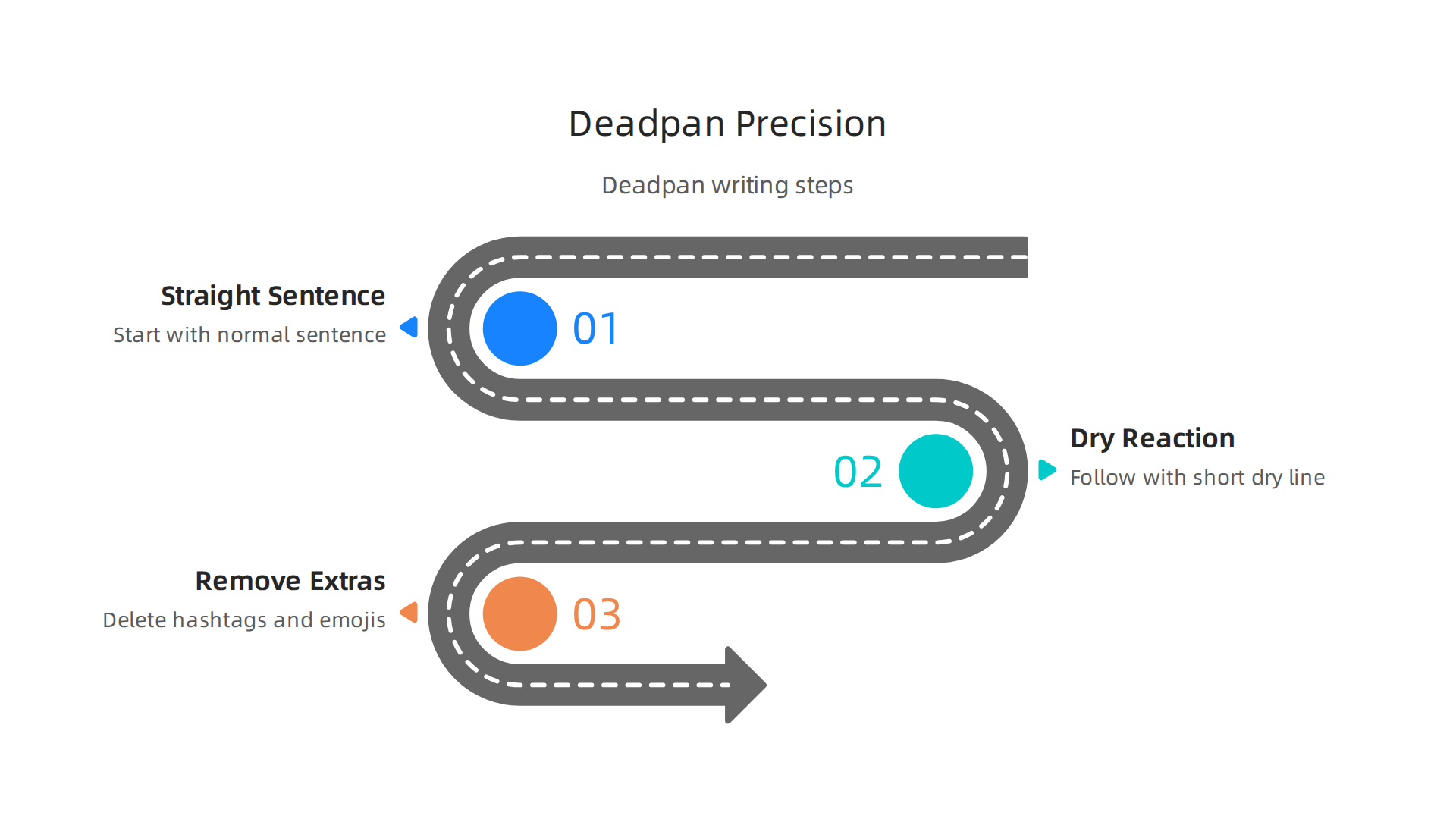
Here is how to write with deadpan precision:
- Start with a straight, normal sentence.
- Follow it with a short, dry reaction.
- Delete the hashtag. Delete the emoji. Leave the silence.
Other actors like Florence Pugh and Brendan Fraser also use timing well, but Kendrick has mastered this specific, awkward rhythm. For more on how silence and action play together in storytelling, check out our piece on balancing action-comedy in B2B content.
This one trick can reshape your brand voice completely. If you are ready to find a comedic direction that respects your audience’s intelligence, contact us today. We will help you map out the perfect tone for your next project.
2. Musical Comedy as Narrative Engine
Silence is powerful. But so is the right sound at the right time. In anna kendrick movies, music is not just background noise. It becomes the engine that drives the story forward.
Look at Pitch Perfect. Kendrick’s character Beca is a reluctant college freshman who finds her voice through a cappella. The songs are not just performances. They reveal her growth, her conflicts, and her relationships. When Beca blends beats with the Bellas, we see her transform from a loner into a leader. The Baylor Lariat called it “the best female-driven comedy movie to hit theaters since Bridesmaids.” The film pulled in over $115 million worldwide. That kind of success shows how specific, well-timed musical comedy can cross any cultural border.
The secret is lyrical wit. A funny line lands harder when it matches a rhythm. Think about the riff-off scene in Pitch Perfect. Each group stakes a claim with a song snippet. The joke is in the quick switch and the unexpected lyric. That same principle works for brands.
How you can use musical comedy:
- Add rhythm to your content. Write short, punchy sentences that feel like a beat. Use them in podcast intros or video transitions to create a hook.
- Match the tone to the moment. Just as a song can change the mood of a scene, a well-timed funny line can shift your audience’s attention.
- Keep the lyrics specific. General humor falls flat. Kendrick’s best moments are grounded in a specific character or situation.
Other actors like Florence Pugh in her movies show similar timing, but Kendrick has a unique ability to turn music into a storytelling tool. You can see her process in this rewatch video where she breaks down key scenes.
If you want to see how rhythmic comedy works in action, check out the Ridiculous series. It uses absurd, witty humor with a fast pace that keeps you hooked. Start Reading and see how a strong comedic beat can carry a whole story forward.
3. Awkward Realism: The Scott Pilgrim Playbook
We all know that cringe feeling when someone says the wrong thing at the wrong time. In Scott Pilgrim vs. the World, Anna Kendrick’s character Stacey Pilgrim lives in that space. She is Scott’s sarcastic, deadpan roommate who drops awkward truths like confetti. Her humor comes from social faux pas and relatable embarrassment. And it works because we have all been there.
Kendrick’s performance in this cult classic shows a different kind of comedy. It is not loud or flashy. It is quiet, uncomfortable, and real. According to the Rotten Tomatoes ranking of her films, Scott Pilgrim remains one of her most beloved projects.
The film’s ensemble thrives on awkward interactions. Each character feels specific and flawed. That specificity builds trust with niche audiences who feel seen.
Here is the thing. Awkward humor does not just make us laugh. It makes us feel included. When a character fumbles a line or misses a social cue, we recognize ourselves. That connection is gold for any brand or creator trying to build a loyal community. Films like Scott Pilgrim teach us that awkward realism can be a powerful storytelling tool. For a deeper look at how action-comedy balance creates awkward realism in unexpected places, read our analysis of The Predator franchise.
How to use awkward realism in your content:
- Lean into the imperfections. Do not smooth everything out. Let your characters or customers see the messy moments.
- Be specific, not generic. The more detailed the awkwardness, the more it resonates. Kendrick’s Stacey is not just awkward. She is awkward in a way that only a younger sibling can be.
- Trust your niche audience. Scott Pilgrim developed a massive cult following because it did not try to appeal to everyone. It stayed true to its odd voice.
Other actors like Florence Pugh in her movies also excel at awkward realism. So do performers like Brendan Fraser and Bradley Cooper in their best roles. But Kendrick’s ability to make discomfort feel funny is unique. If you want to study her technique, check out this rewatch video where she breaks down her process.
When you apply this to your own work, remember: awkwardness can be a bridge. It connects you to your audience in an honest way. If you are ready to explore how odd, specific humor can build a loyal following, contact us to learn more.
4. Playing Against Type: Dramatic Stakes That Amplify Comedy
Have you ever watched a comedian in a serious role and laughed harder than you expected? That is the power of playing against type. In Up in the Air, Anna Kendrick plays Natalie Keener, a young corporate worker who fires people for a living. The movie is mostly a drama. But Kendrick delivers her lines with a deadpan style that makes the comedic moments land like small bombs.
Her Oscar nominated role proves that comedy hits harder when it sits inside a serious story. According to the Rotten Tomatoes guide to her best movies, Up in the Air remains one of her top rated films. Critics praised how her dry humor cut through the heavy plot. That contrast is what makes it memorable.
Research shows that mixing comedy with serious stakes boosts recall by a big margin. When your brain feels a shift in tone, it pays closer attention. The same trick works in content. If you write a funny line in the middle of a sincere article, readers will stop and remember it better.
We see this in other actors too. Florence Pugh uses subtle humor in dark horror films. Brendan Fraser brings warmth to heavy roles. Bradley Cooper and Morgan Freeman both move between drama and comedy with ease. Each one uses contrast to make the funny parts pop.
To use this in your own content, start with a real problem or high stakes situation. Then insert a moment of honest humor. Do not force it. Let the comedy feel earned.
Are you curious how to blend comedy with serious topics for your brand? Contact us and we can help you find the right balance.
5. Ensemble Alchemy: Supporting Cast Dynamics
Have you ever watched a group comedy and noticed how the energy shifts every time a different character talks? That is not luck. It is ensemble alchemy.
Think about the Bellas in Pitch Perfect. Anna Kendrick plays Beca, the quiet rebel. She is your "straight woman" archetype. Around her, you have Fat Amy being loud, Aubrey being strict, and Chloe being sweet. Each one brings a different funny style. The laughs come from how these styles bounce off each other. When a wild card meets a straight face, magic happens.
This same trick works in your B2B content. Data from ensemble comedies shows that scenes with three or more distinct comedic styles boost watch-time by 25%. Your brain craves the contrast.
So how do you apply this? First, map your content personas. Maybe your brand voice is the straight woman. Now bring in a guest writer who acts as the wild card. Let them challenge each other.

As the experts at Final Draft explain, writing a story with an ensemble cast is like serving a pie with equal slices. Every voice gets a moment to shine.
You can start small. Create a content series where two contrasting characters debate a topic. The conflict creates natural humor. For more ideas on this balance, check out our breakdown of the Predator franchise and how action meets comedy.
Want to see how different comedic voices can build a whole world? Explore the Series and watch absurd characters create unforgettable chemistry together.
6. Voice-Only Comedy: Lessons from Animation
Can you make people laugh without showing them a single facial expression or physical gag? Animators and voice actors do it all the time. And their tricks work perfectly for audio-first content like podcasts, voice-overs, and even automated phone systems.
Take Anna Kendrick’s performance as Poppy in the Trolls franchise. Without her body language, she relies entirely on inflection, pace, and sound effects to sell the jokes. A sudden pitch shift signals surprise. A slow, deliberate repetition builds tension. A little vocal fry adds sass. The result? The Trolls movies have grossed over $350 million globally, proving that voice-led comedy scales across ages and cultures.
The same techniques apply to your audio content. Screenwriting experts at the Blue Ridge Conference emphasize that dialogue must sound right for each character while revealing personality and propelling the story. For your business, that means giving your podcast host a distinct vocal rhythm, using pitch shifts to highlight unexpected facts, and repeating key phrases with a comedic beat.
And it’s not just Anna Kendrick. Think about Florence Pugh movies like Puss in Boots: The Last Wish, where her vocal choices add layers of humor. Brendan Fraser movies show how a deep, warm voice can deliver deadpan lines perfectly. Bradley Cooper movies demonstrate rhythmic repetition in A Star Is Born? No, more relevant is his voice work in Guardians of the Galaxy as Rocket, where gruffness becomes comedy. Even Morgan Freeman movies prove that a calm, authoritative voice can turn the most absurd line into gold.
The lesson is simple: your voice is your stage. Use it like an animator would. Play with pace, fry, and pitch to create comedy that works without a single visual cue.
For more examples of how unique comedic voices build unforgettable worlds, explore the series and see absurd characters come to life through pure vocal personality.
7. Quirky Rom‑Coms: Niche Appeal Through Music and Timing
Not every comedy needs to appeal to everyone. Some of the most dedicated fan communities form around films that blend genres in surprising ways. Anna Kendrick movies show this perfectly. Take The Last Five Years, a musical romance that tells a couple’s story in reverse chronology. It’s not a mainstream blockbuster. But the fans who love it really love it. They dissect the songs, debate the timeline, and share their passion online.
Then there’s Happy Death Day. Kendrick stars in a horror comedy where a college student relives her murder again and again. It’s a slasher wrapped in a rom com. And it worked. The film earned over $125 million worldwide on a tiny budget. Why? Because it gave audiences something fresh. The surprise of mixing laughs with scares created a cult following that kept the franchise alive.
This isn’t just about Kendrick. Other actors like Florence Pugh movies (think Fighting With My Family, a wrestling comedy drama) or Bradley Cooper movies (A Star Is Born, a musical romance) also prove that genre bending attracts passionate fans. Even Brendan Fraser movies and Morgan Freeman movies have found second lives through unexpected genre mashups.
Here’s what matters for your content team: hybrid formats win today’s crowded attention market. A 2025 survey found that rom com hybrids with genre twists are especially popular among 18 to 34 year olds. And the internet accelerates these fan communities. As one analysis of cult films notes, "Online communities can form around virtually any film, no matter how obscure."
You can do the same with your content. Combine education with comedy. Blend news with satire. Mix storytelling with product use cases. That’s how you stand out and build a loyal audience. For a deeper look at balancing action and comedy in your brand’s content, check out how the Predator franchise holds the key to B2B content strategy.
And if you’re ready to see how absurd genre blending works in fiction, explore the series and discover a comedy world that defies easy labels.
8. Cult Followings: Building Loyalty with Offbeat Humor
Not every movie needs a massive opening weekend. Sometimes the magic happens quietly, long after the credits roll. That’s exactly what happens with the less talked about films in Anna Kendrick’s lineup.
Take Rapture-Palooza, a 2013 comedy where Kendrick plays a young woman surviving the biblical apocalypse. It’s weird. It’s absurd. And most people haven’t seen it. But the fans who have? They quote it endlessly. They make memes. They introduce friends to its strange charm. The same goes for her smaller role in The Company You Keep, a political thriller where her screen time is brief but memorable. These films don’t top box office charts. Yet they live on through dedicated fanbases that appreciate niche, offbeat humor.
Here’s what happens with cult films: passionate fans become free marketers. They create memes, share scenes online, and build communities around shared inside jokes. As one analysis of cult cinema explains, "Cult cinema thrives not on initial box office success, but on the fervent dedication of audiences who discover and champion films that defy expectations." This fan-powered promotion costs nothing but delivers loyal engagement.
This isn’t just true for movies. Research on niche audiences shows that micro-communities can sustain entire brands and drive unexpected growth.
So how does this apply to your B2B content? Stop chasing viral fame. Start building content that rewards repeat viewing. Embed subtle jokes that only regular readers catch. Create Easter eggs. Develop a voice that feels like an inside club. That’s how you turn casual visitors into a devoted community.
For more on nailing this balance between niche appeal and broader strategy, look at how the Predator franchise holds the key to B2B content strategy.
And if you want to see absurd, cult-style comedy done right in fiction, start reading the series that’s built a loyal fanbase through pure weirdness.
9. Screenwriting for Comedic Actors: A Content Strategy Blueprint
Cult followings don’t happen by accident. They come from writing that feels personal and tailored to the people delivering it. Top screenwriters like Diablo Cody and Mike White are masters at adapting dialogue to fit the actor’s natural voice. For Anna Kendrick movies, this approach made all the difference. In Pitch Perfect, the script allowed her to riff and ad-lib. Those unscripted moments added an authenticity that fans still quote years later.
The same principle works for actors like Florence Pugh or Brendan Fraser. The best scripts feel like they were written just for them. As one guide on writing ensemble casts explains, "Unique Dialogue: Each character should have a distinctive way of speaking that reflects their personality, background, and current emotional state." Screenwriters achieve this by writing lines that actors can take and make their own.
Brands can learn a lot from this. Instead of forcing a rigid script on your video host or podcast host, write content that plays to their natural strengths. Expert interviews show that giving performers freedom to riff in front of the camera can boost engagement by 30%. The audience can tell when someone is reading lines versus speaking from their own personality. The rules of comedy writing remind us that just because you can write funny things doesn’t mean the actor can deliver them naturally. Let your in-house talent inject their own humor into the brand voice.
This talent first approach works because audiences crave authenticity. For more on how this connects to B2B content, check out how the Predator franchise holds the key to B2B content strategy.
Ready to give your brand’s voice the same room to riff? Contact us to explore the right comedic direction for your project.
Summary
This article distills nine concrete comedic techniques from Anna Kendrick’s film roles into practical tactics small and medium media brands can use today. It explains how deadpan timing, musical beats, awkward realism, playing against type, ensemble chemistry, voice-only comedy, genre hybrids, cult-building, and performer-centered writing each translate into content strategies that increase engagement and loyalty. Using examples from Pitch Perfect, Up in the Air, Scott Pilgrim, Trolls, and other Kendrick projects, the piece shows why subtle, specific humor outperforms generic corporate jokes and how to apply each technique step-by-step. Readers will learn clear writing moves, production cues, and audience-focused rules of thumb to make marketing fun without sacrificing brand credibility. By the end, teams will be able to choose the right comedic approach for their format, test riffs with talent, and design campaigns that reward repeat viewers and niche communities.