
Julia Stiles Movies From 10 Things I Hate About You to The Bourne Identity and Dexter

Introduction
When you think of the best Julia Stiles movies, what comes to mind?
For many people, it is Kat Stratford slamming a guitar against a locker in 10 Things I Hate About You. For others, it is Nicky Parsons running through the shadows of the Bourne series. Then there are those who know her as Lumen Pierce in Dexter.
A true look at her work shows a career that refuses to fit into one box.

She made her film debut at 15 in I Love You, I Love You Not and quickly moved into lead roles. According to her filmography on Rotten Tomatoes, she moved from sharp teen comedies to intense political thrillers and quiet indie dramas. She has worked alongside actors like Angelina Jolie and Tessa Thompson. She has shared the screen with talents like Holly Hunter and Brittany Murphy. Each role added a new layer to her reputation.
Here is the thing. For content creators, media strategists, and entertainment professionals, generic movie lists do not work anymore. Your audience wants original, high-quality analysis. They want the kind of intellectual humor and cultural insight that makes a familiar topic feel completely new.
This article offers a curated, research-backed guide to the filmography of Julia Stiles. We connect her career choices to the bigger picture of genre-blending storytelling. If you enjoyed our analysis of how dramatic actors master original comedy, you will appreciate this deep dive. Stiles sits at a unique crossroads of blockbuster action, indie credibility, and cult classic teen film. That crossroads is exactly where smart, engaging content lives.
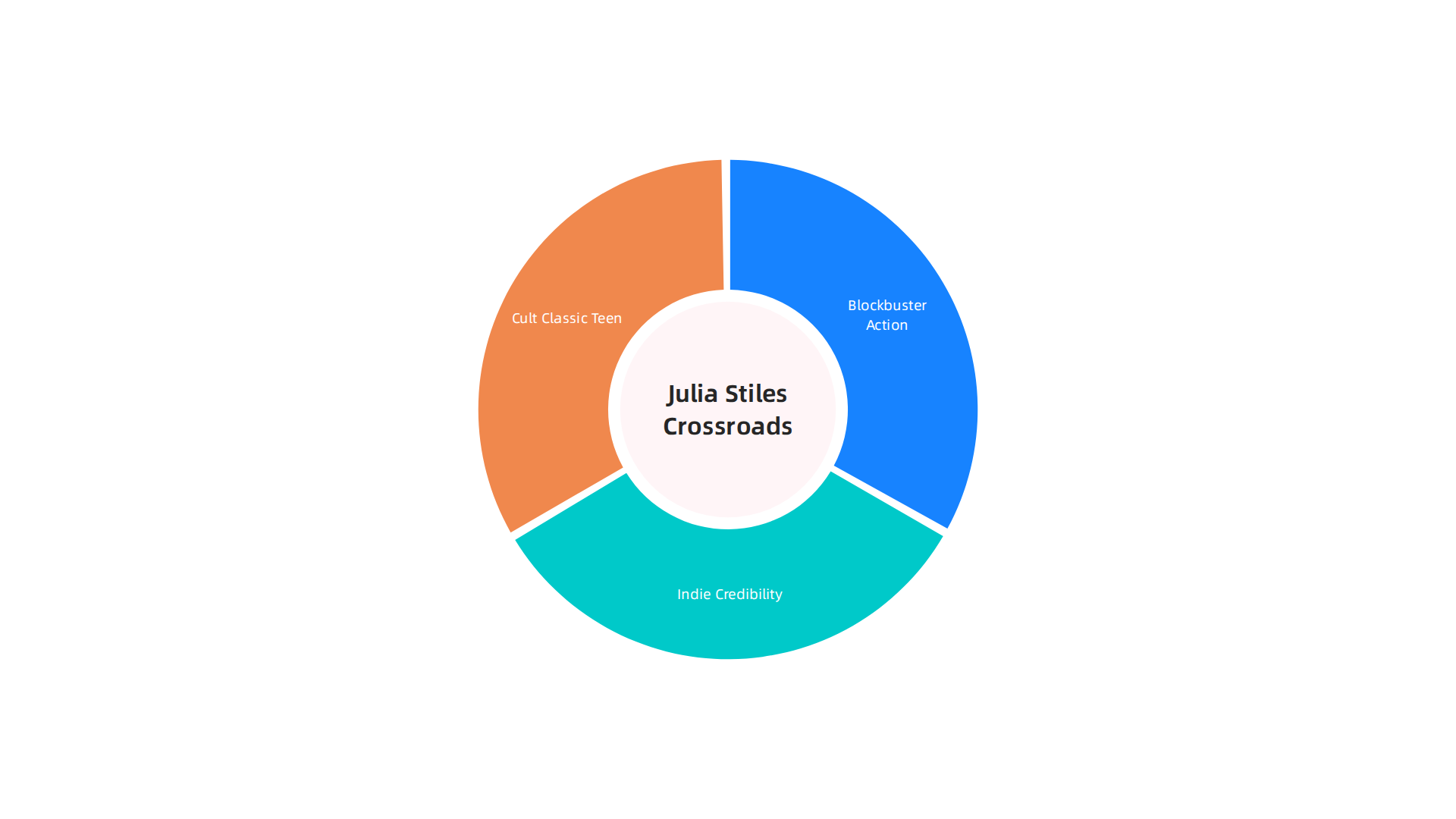
Let us explore the essential films that define her lasting career.
Why Julia Stiles Remains a Cult Favorite for Niche Audiences
Here is something interesting. The people who grew up watching Julia Stiles movies in the late 90s and early 2000s are now running things. They are editors at media companies. They are content directors at streaming platforms. They are the ones deciding what gets made next.
This shift matters. When a generation of loyal fans becomes tastemakers, the films they love get a second life.
And Stiles built her following during a golden era of teen cinema. According to her Wikipedia page, she made her film debut at 15 and quickly moved into lead roles that showed sharp intelligence and emotional depth. Those early roles created a foundation of trust with audiences who wanted more than just surface-level storytelling.
What keeps these fans coming back?
Character-driven projects that reward thinking viewers. Look at her choices. Stiles consistently picked scripts that had strong character arcs and dialogue that demanded attention. She did not just chase the biggest paycheck. She went for projects where the writing mattered. This approach appeals directly to intellectually curious viewers who want substance in their entertainment. When you compare her filmography to the work of other actors known for smart choices, like the range you find across holly hunter movies, you see a similar commitment to quality over trend-chasing.
A career that tells a real story. Here is the thing about Stiles. Her path from indie darling to mainstream thriller actress gives content curators exactly what they want: a narrative arc. She started in small films like Wicked (1998), moved into teen classics, then stepped into the Bourne franchise. She also worked with major talents. She shared the screen in movies with brittany murphy and appeared alongside other respected actors. She even took roles in movies with tessa thompson, showing she stayed connected to emerging talent. Each phase of her career feels intentional.
This kind of trajectory resonates with people who study storytelling for a living. If you are creating content about entertainment, you can learn a lot from how she navigated different genres. Our look at how dramatic actors master original comedy shows similar principles at work. The ability to move between tones and formats keeps an audience engaged over the long term.
The indie credibility factor. Stiles never fully abandoned the smaller projects that built her reputation. She balanced blockbuster work with indie films that satisfied her core fans. This dual approach created a sweet spot. She had name recognition from The Bourne Identity, but she kept enough artistic risk in her choices to stay interesting. It is the same balancing act that makes many angelina jolie movies work when she mixes commercial projects with passion pieces.
For content professionals, Stiles represents something valuable. She is proof that you can build a lasting career by serving a smart, loyal audience instead of trying to please everyone at once. Her fans did not just watch her movies. They grew up, got jobs in media, and kept recommending her work to new generations.
That is the kind of audience every content creator dreams about. And it started with simple choices. Good scripts. Real characters. And a refusal to be put in one box.
The 10 Things I Hate About You Effect: How She Defined Late-90s Teen Humor
If you were a teenager in 1999, you probably remember the moment Kat Stratford reads her poem in front of the whole class. That scene is pure magic. Julia Stiles delivers it with so much vulnerability and defiance that it still gives you chills.

And that is just one reason this movie has stuck around.
The film 10 Things I Hate About You is more than a high school romance. It is a modern retelling of Shakespeare’s The Taming of the Shrew, and it works because the writers updated the story without losing the bite of the original. An academic analysis of both works shows that students actually find the film more acceptable than the play, because it flips the power dynamics in a smart way.
Stiles plays Kat Stratford as a fiercely independent, witty teenager who refuses to play social games. She reads feminist literature, calls out hypocrisy, and will not dumb herself down to get a date. That was rare in 1999, and it is still rare today. In fact, the film was ahead of its time in calling out white feminism and making space for more nuanced conversations about identity and privilege. That sharpness is a big reason why the audience keeps coming back.
The movie also made serious money. It opened at number two in the US, just behind The Matrix, and has only grown in popularity since then. Decades later, it still draws huge crowds on streaming platforms, partly because it captures a specific moment in late-90s fashion and culture that feels nostalgic but never dated.
For anyone creating humorous content today, this film is a case study in how to blend intelligence with entertainment.
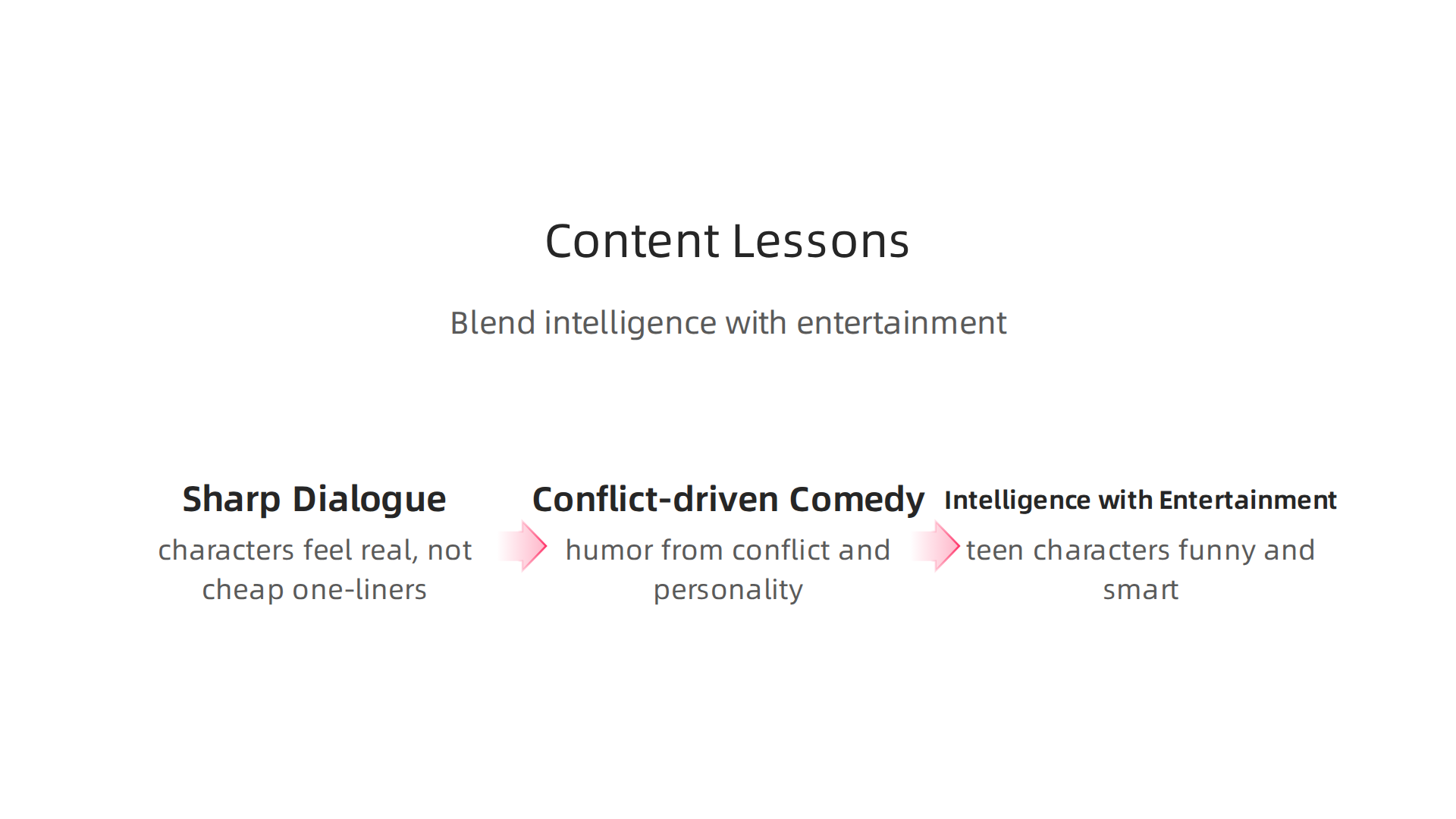
The dialogue is sharp. The characters feel real. The comedy comes from conflict and personality, not cheap one-liners. That same principle drives successful content strategies that use humor to engage niche audiences. You can see similar techniques at work in how genre-bending comedy films transform your content strategy.
When you look back at julia stiles movies, this one stands out as the role that shaped everything that followed. She proved that teen characters could be funny and smart at the same time. That influence still shows up in how writers craft young leads today. The 10 Things effect is real. It taught a generation that humor does not have to be dumb to be funny.
Indie Gems and Dramatic Depth: From ‘Ghosts of Girlfriends Past’ to ‘The Business of Falling’
But Stiles did not stop at teen comedy. After 10 Things I Hate About You, she built a career in independent film, taking on roles that demanded real emotional depth.
Her breakout came at the 1998 Sundance Film Festival with Wicked, a dark indie thriller where she played a troubled teenager. The film earned critical buzz and proved she could carry a story without a big studio budget. According to one ranking of her best performances, Wicked was the role that made her “the next big thing” in independent cinema. Source
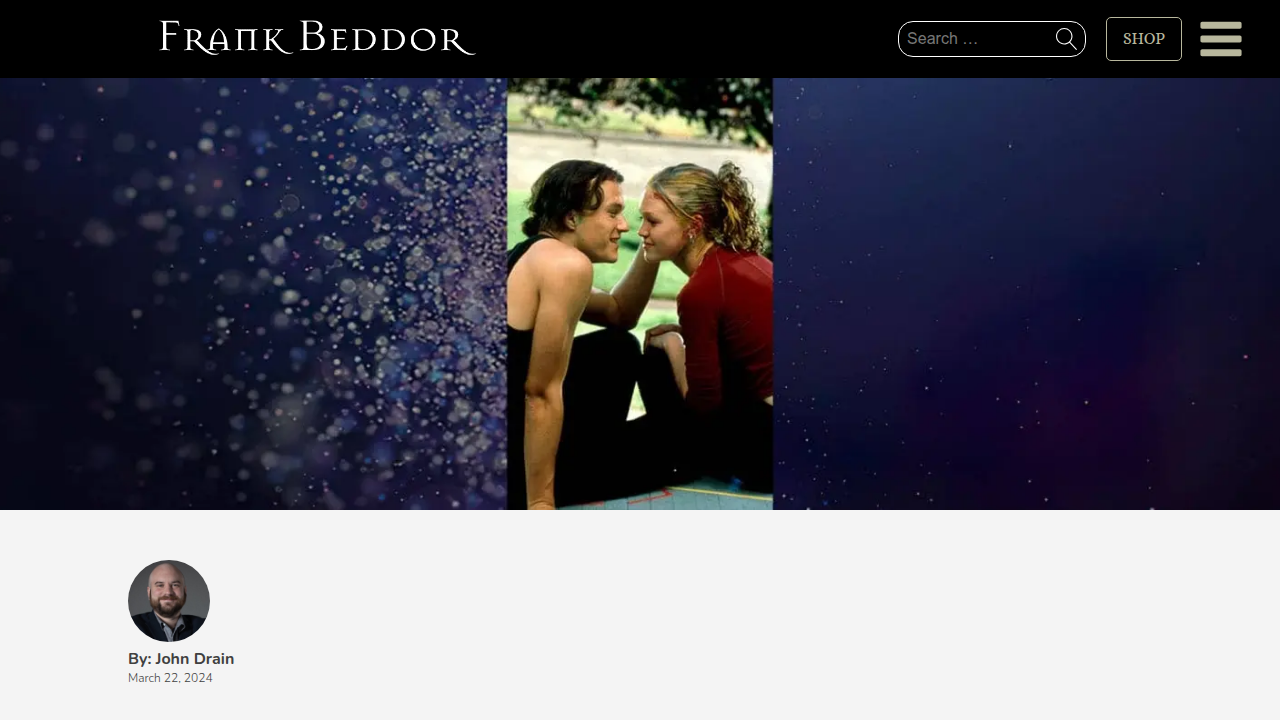
That willingness to take risks carried over into films like The Business of Strangers (2001), where she played a young corporate assistant opposite Stockard Channing. The movie is a quiet, tense character study about power and manipulation in the workplace. It is not a crowd pleaser. But it shows exactly what makes Stiles interesting: she never asks the audience to like her. She asks them to understand her.
On the lighter side, Ghosts of Girlfriends Past (2009) let her stretch into romantic comedy. She plays a level-headed makeup artist who calls out the male lead’s flaws. It is a mainstream movie, but Stiles brings the same sharpness she brought to Kat Stratford. She makes the character feel grounded in a silly premise.
These indie gems and mid-budget films share something important. They focus on relationships and loss with an honesty that feels refreshing. That is the same principle behind smart humor: when you stop trying to be clever and start being real, the audience leans in.
If you are building content that needs to connect with a thoughtful audience, look at how Stiles picks her roles. She goes for conflict that feels human, not dramatic. She lets awkward moments breathe. That is how you find humor in real life.
Want to see how this indie approach translates into content that wins over intellectual audiences? Our article on genre-bending comedy films that transform your content strategy shows exactly how to apply these storytelling techniques.
Of course, some directors saw her strengths and cast her in bigger films. Before long, she stepped into the world of action and thrillers. And that is where the conversation gets even more interesting.
Thriller and Television Transformations: ‘The Bourne Identity’, ‘Dexter’, and Beyond
By the early 2000s, Julia Stiles had already built an impressive resume. But her next move showed she could compete on a global stage. She joined the Bourne franchise as Nicky Parsons, a CIA operative who becomes a key ally to Matt Damon’s Jason Bourne. According to one career overview, she remained a staple of the aughts with hits like The Bourne Identity and its sequels. Source
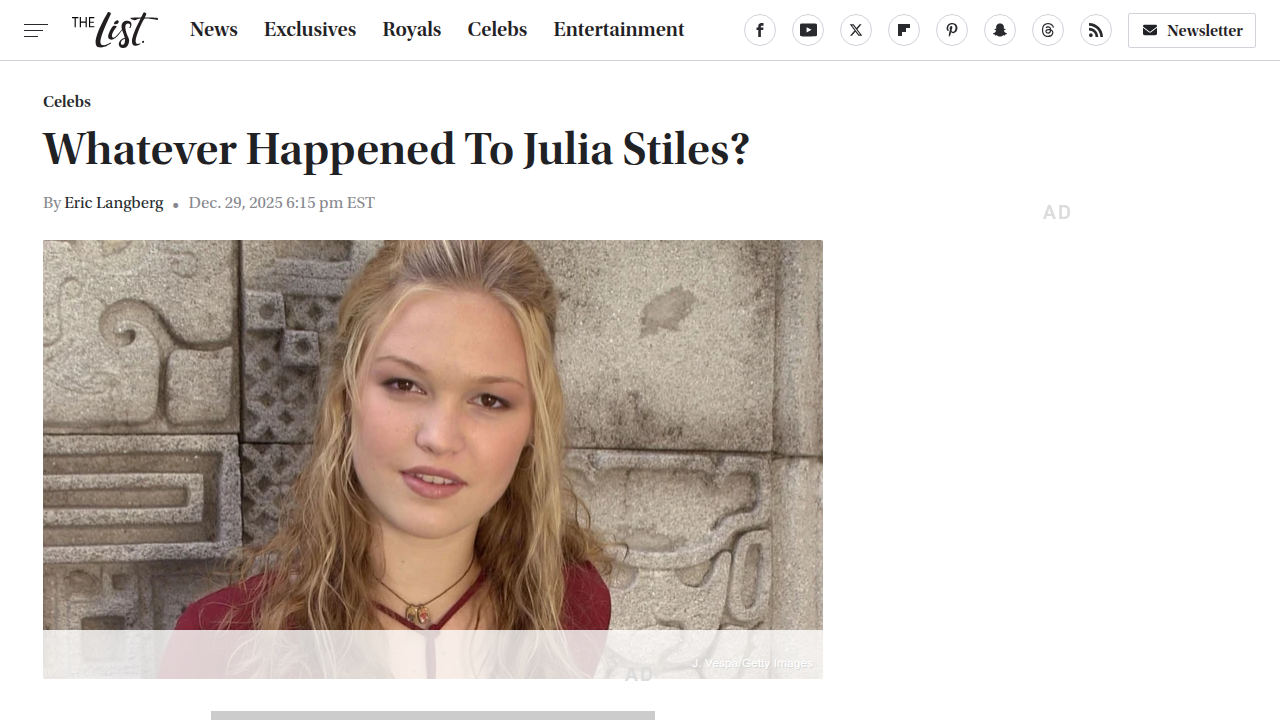
Playing Nicky Parsons was not just a big paycheck. It required real intelligence and physicality. Stiles held her own in a franchise built on tight action and complex spy games. She made Nicky feel like a real person, not just a side character. That is hard to do when you share scenes with actors like Chris Cooper and Joan Allen. But Stiles pulled it off. The Bourne series became one of the defining action trilogies of the 2000s, and her character was a big reason the stories worked.
Then came a role that changed her career direction entirely. In 2010, she joined the hit Showtime series Dexter as Lumen Pierce, a woman seeking revenge after surviving a traumatic attack. The character was dark, broken, and brave. Stiles played her with quiet intensity. According to one ranking of her best work, this ten-episode arc “totally changed” her mind about working in television and earned critical praise. Source The performance was so good it earned her a Golden Globe nomination for Best Supporting Actress. Source
After Dexter, Stiles continued to explore television and international projects. She starred in the web series Blue and took on roles in shows like Riviera, a thriller set on the French Riviera, and The God Committee, a medical drama about organ transplants. Source
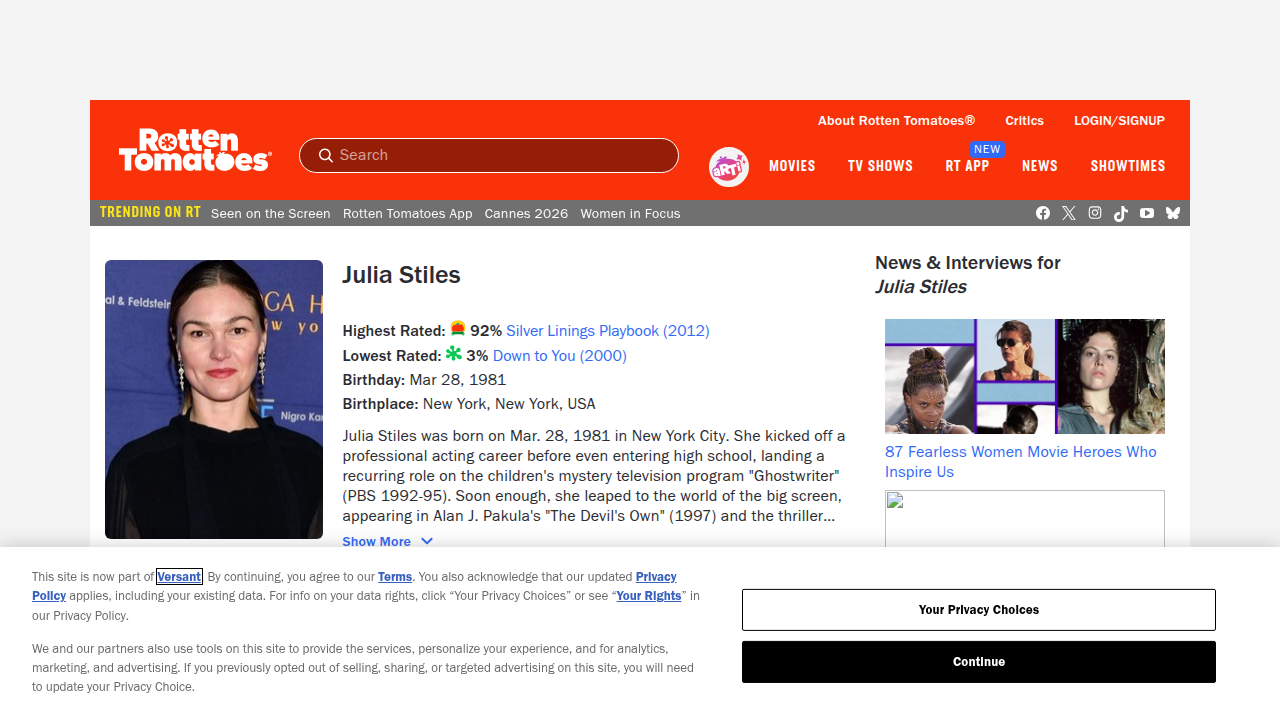
These roles proved she could adapt to serialized storytelling that stretched across episodes and seasons. She was no longer just a movie star. She was a versatile actor who could anchor a crime thriller just as easily as she could carry a quiet indie film.
Looking at her career, it is clear that Stiles never settled into one formula. She moved from independent film to global action to prestige television without losing her edge. Her ability to shift between genres is a masterclass in storytelling versatility. That is exactly the kind of lesson creators can learn from when they want to keep their audience engaged. If you want to see how actors like Stiles teach us to balance tone and tension, check out our article on how Hollywood action stars teach the comedy techniques that strengthen your content strategy.
Common Themes and Content Inspiration: Intelligence, Resilience, and Wit in Julia Stiles Movies
That edge is what makes her filmography so interesting to study. When you look closely at the best julia stiles movies, a clear pattern forms. She almost always plays a woman who is smarter than the room she is standing in. That is not just good casting. It is a rich archetype that creators can learn from.
Take her most famous role. Kat Stratford in 10 Things I Hate About You uses her sharp tongue to push people away. But underneath that sarcasm is a young woman struggling with identity and societal pressure. According to one analysis of the film, it explores the nuances of being a teenager with a level of honesty that still works today. Source That blend of vulnerability and verbal sparring makes the character unforgettable. It is the same reason the film is still a cultural touchstone decades later. Source Stiles showed early on that intelligence could be a superpower on screen.
This pattern runs through her whole career. In Mona Lisa Smile, she plays a college student questioning the narrow path laid out for women in the 1950s. In The Bourne Identity, Nicky Parsons adapts to impossible odds without losing her cool. In Dexter, she plays Lumen Pierce, a woman who turns trauma into fuel for justice. Source Each of these julia stiles movies deals with identity and personal reinvention. Her characters do not just survive. They grow. They challenge expectations. And they often use a dry, cutting wit to do it.
So what can a content creator learn from this?
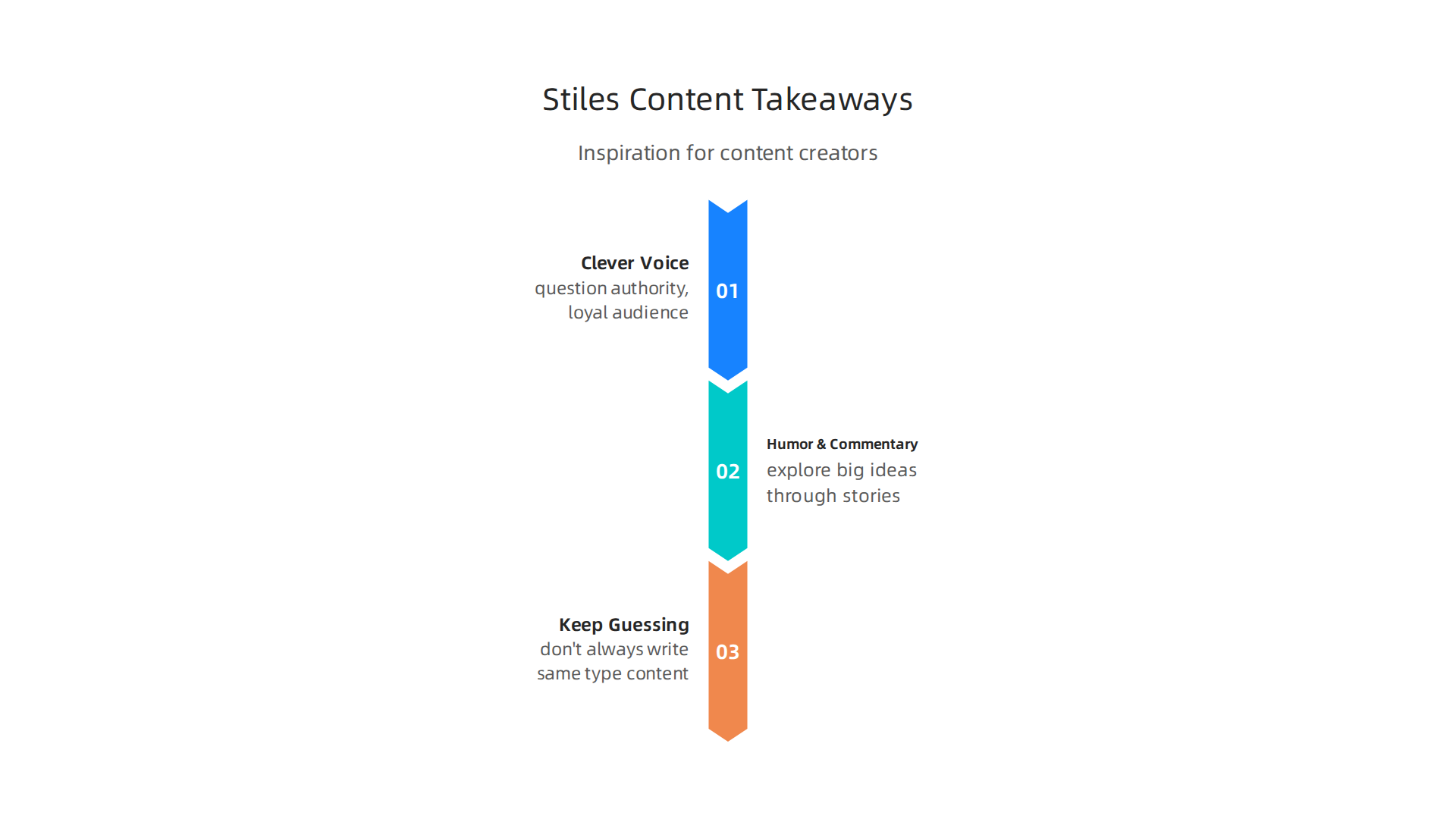

- Build a voice that is clever first. Think about the strongest characters in Holly Hunter movies or movies with Tessa Thompson. They use humor to question authority. Stiles does the same thing. That is the kind of voice that builds a loyal audience online.
- Mix humor with cultural commentary. Her movies explore big ideas like feminism, loyalty, and independence through personal stories. You can do the same in your articles or social posts. Blend a funny observation with a deeper message.
- Keep your audience guessing. She went from a dark indie thriller like The Business of Strangers to a global action blockbuster without losing her identity. Source If you only ever write the same type of content, people will tune out. Surprise them.
Looking back at the best julia stiles movies, mixing intelligence with humor is a winning formula. It creates characters that stick with us. And it builds a brand that feels both trustworthy and fun. That same lesson applies directly to your own work. If you want to see how other actors use genre shifts to keep audiences engaged, take a look at our guide on how genre-bending comedy films transform your content strategy.
Summary
This article is a curated, research-backed guide to Julia Stiles’s filmography that traces her path from sharp late‑90s teen roles to indie credibility, global action franchises, and prestige television. It explains why her choices matter for content creators and media strategists by showing how she built a loyal, intellectually curious audience through smart scripts, consistent character work, and genre flexibility. The piece highlights signature entries—10 Things I Hate About You, Wicked, The Bourne series, and Dexter—then unpacks recurring themes like intelligence, resilience, and dry wit that make her roles memorable. Readers will learn what patterns to borrow for storytelling, how to surprise and retain niche audiences, and which standout films best illustrate each phase of her career. The article connects Stiles’s trajectory to broader content strategy lessons about voice, risk, and long‑term audience building.