
Hollywood Action Stars Teach the Comedy Techniques That Strengthen Your Content Strategy

Why Hollywood’s Funniest Action Stars Hold the Key to Your Content Strategy
If your B2B content team is struggling to create humor that clicks with a global audience, you are not alone. Sourcing original, absurdist comedy that resonates across cultures is tough. But here’s the thing: some of the best teachers are not in marketing. They are on the big screen.
Think about Jackie Chan or Eddie Murphy. These stars built careers by blending action with comedy in a way that works everywhere. A recent global cinema survey found that audiences want more action (59%) and more comedy (53%) in films. That crossover appetite is not just for Hollywood movies. It is a signal for content strategists too.
The secret is in their techniques. Chan uses physical humor that needs no translation. Murphy relies on character-driven wit that feels universal. These are the same principles that help you reach English-speaking markets without falling flat.

Here is the real win: by studying these patterns, you can cut down the time and money spent on internal content development. Why guess when you have a proven template? For example, exploring how genre-bending comedy films transform audience engagement can give you a fresh perspective.
The best part? You do not need a Hollywood budget. You just need the right lens.
If you want to dive deeper into how unusual comedic ideas can power your next campaign, Read Articles that break down these strategies into actionable steps.
1. Jackie Chan – The Master of Physical Comedy and Universal Appeal
You know what makes Jackie Chan stand out from other action stars? His humor works without a single word. When he hangs from a clock tower or fights with a ladder, everyone gets the joke. No translation needed. No cultural reference required. That is the power of physical comedy done right.
Here is why that matters for your content strategy. A HubSpot study in 2026 found that 66% of social media marketers say funny content is the most effective type for their brand. But creating humor that clicks across different English-speaking markets is hard. What lands in London might fall flat in Los Angeles.
Chan solved this problem decades ago. He built his career on stunts and visual gags that anyone can understand. His style is original and hard to copy. That is exactly the kind of high-value content your brand needs to fight the sea of sameness.
So how do you bring this approach into your own work? Think visual first. Instead of writing a joke that depends on wordplay, try an infographic that uses funny comparisons. Or shoot a short video where your product team demonstrates something in a silly way.
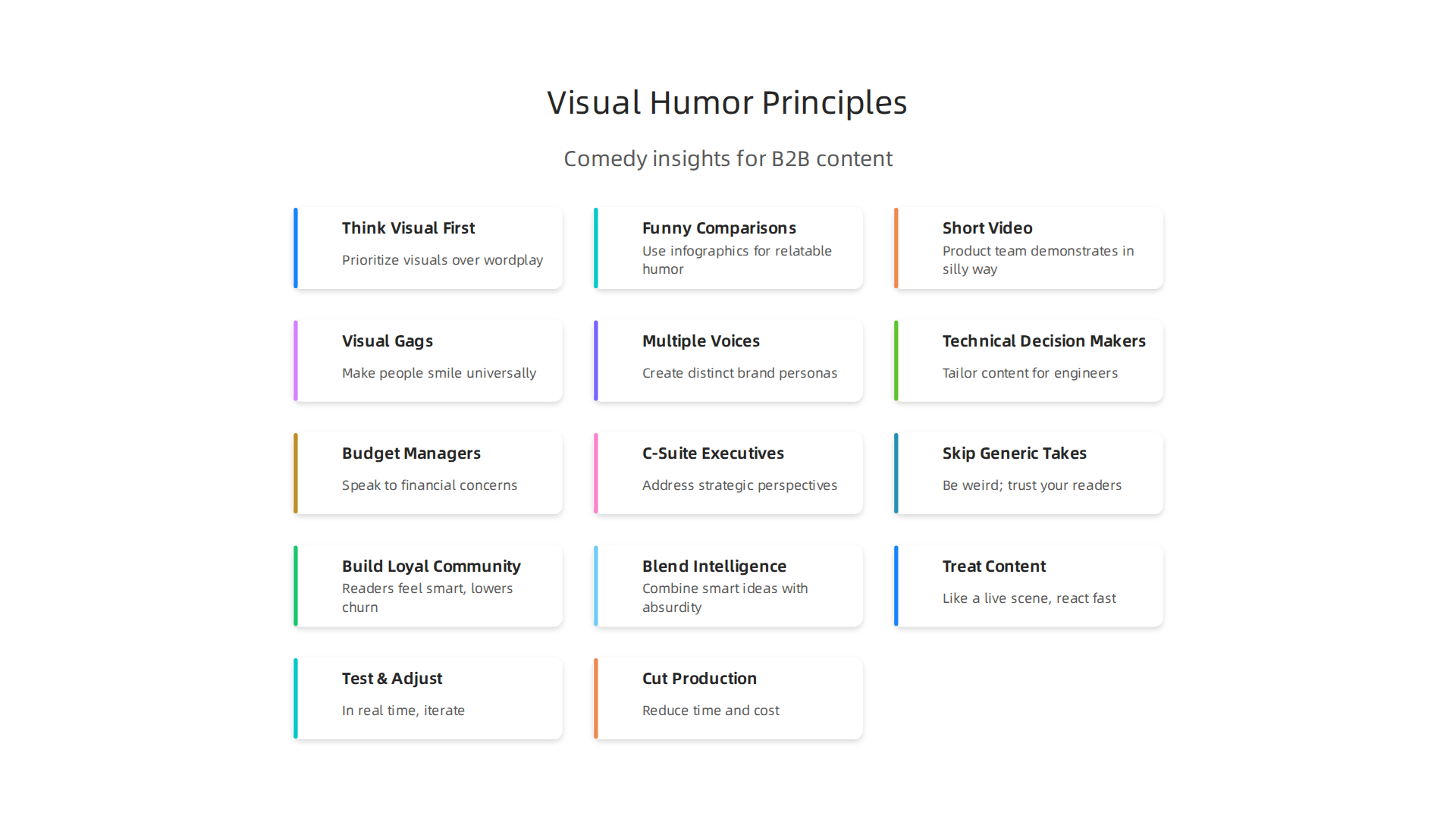
These formats do not rely on cultural insider knowledge.
Take a page from how genre-bending comedy films build engagement. The same principles apply to your marketing. Use visuals that make people smile without needing a backstory.
The best part? You will save time and money. You do not need to test jokes across five different regions. A well-placed visual gag works everywhere.
If you want to see how these ideas play out in real campaigns, check out the B2B marketing case studies that use visual comedy effectively. That is where the proof lives.
For readers who want to dig deeper into how unusual comedic ideas can power your next campaign, Read Articles that break down these strategies into actionable steps.
2. Leslie Nielsen: Deadpan Delivery as a Content Differentiator
Leslie Nielsen had a superpower. He could deliver the most ridiculous lines with a completely straight face. That contrast is what made him unforgettable. And it is exactly the kind of move B2B brands need in 2026.
Here is why deadpan works so well. When everyone around you is shouting for attention, a calm serious tone stands out. Think about your own inbox. You get fifty emails a day all saying "Game-changing!" and "Revolutionary!" Then one comes in with a formal tone and boring subject line. You stop. You read it. That is the Nielsen effect.
He played absurd situations completely straight. The humor came from the gap between what he said and how he said it. No winks. No knowing glances. Just pure commitment to the bit.
You can use the same technique. Instead of writing "Our software will blow your mind," try "Our software processes data at a rate that exceeds industry averages by a measurable margin." Say it with total seriousness. The contrast makes people smile.
Real B2B brands are already doing this. Check out the B2B marketing case studies that use deadpan tones in email newsletters and social media. The engagement numbers are impressive.
The best part? Deadpan requires almost no production budget. No expensive video shoots. No voice actors. Just a writer who understands rhythm. This keeps your content costs low while building a unique brand voice.
If you want to see how other comedy techniques from hollywood movies can reshape your content, check out how genre-bending comedy films apply similar principles.
Step inside deadpan comedy magic.
For a deeper look at how unusual comedic ideas can power your next campaign, Read Articles that break these strategies into actionable steps.
3. Eddie Murphy – Character-Driven Humor for Audience Segmentation
Eddie Murphy didn’t play one funny guy. He played many. Axel Foley was a street-smart detective. The Nutty Professor was a lovable scientist in multiple personas. Sherman Klump, Buddy Love, the whole family. Each character connected with a different type of viewer. Some loved the action-comedy blend of Beverly Hills Cop. Others adored the heartfelt absurdity of The Nutty Professor. That range is a goldmine for B2B content creators.
Here is the lesson. You do not need one brand voice for everyone. You can create multiple content voices. Think of them as your own cast of characters. One voice for technical decision-makers. Another for budget-conscious managers. Another for C-suite executives.
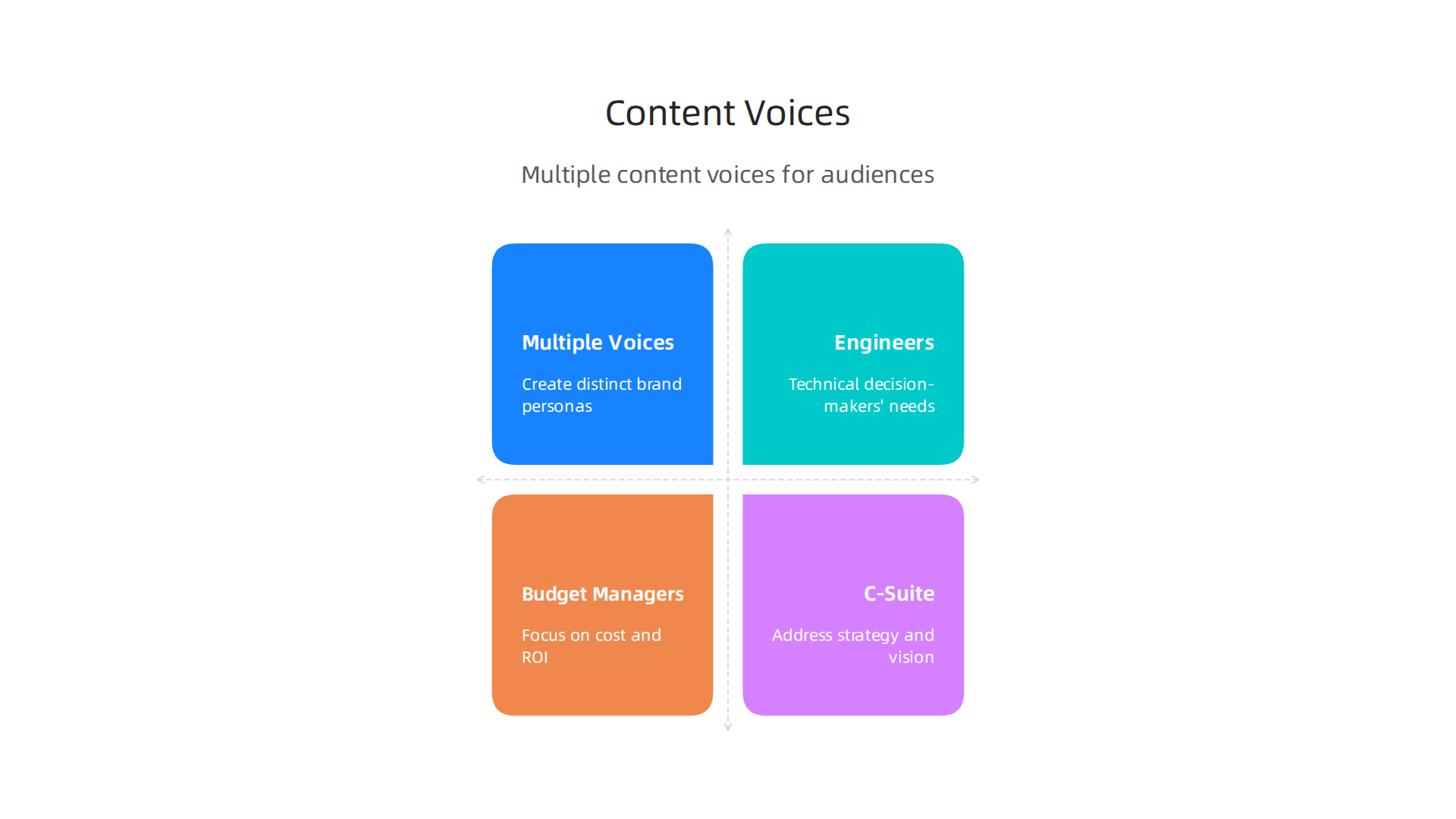
Each voice speaks their language. Each voice uses the right kind of humor and seriousness.
This lowers a big risk. When you try to make one voice work for everyone, you end up boring everyone. Your content becomes gray and forgettable. But by tailoring absurdity to each segment, you keep things fresh. Your blog posts for engineers can be deadpan and data-heavy. Your LinkedIn posts for marketers can be playful and punchy. Same brand. Different characters.
The best part? You do not need separate brands or separate websites. Just different content series, columns, or authors. It keeps production costs low. And each segment feels personally spoken to. That is the Eddie Murphy effect in B2B.
Characters work because they give each piece of content a clear personality. As the Wikipedia article on comedy films notes, character-driven humor has been a staple of the genre for decades. You can steal that idea.
If you want to explore how other Hollywood stars like John Travolta mastered niche humor for specific audiences, that article breaks down the formula.
Ready to build your own cast of content characters?
We help publishers and brands create distinct voices that hit the right notes with each segment. Read Articles to see how other teams apply comedy techniques from Hollywood to their content strategy.
4. Bruce Willis – The Reluctant Hero with Wit Under Pressure
Think about John McClane in Die Hard. He is barefoot, bleeding, and stuck in a building full of bad guys. But he still finds time for a sharp one-liner. "Yippee-ki-yay" is funny because of the moment it comes from.
That mix of tension and wit is pure gold for B2B content.
Here is the thing. Your readers do not want fluff. They know their industry is tough. They face tight budgets, strict deadlines, and endless compliance rules. But they also do not want dry, robotic content. They want to feel like you get the struggle.
So give them the Bruce Willis treatment.
Start with the real pressure point. A painful industry problem. Then drop in a touch of dry humor that shows you understand. Something like, "Your compliance checklist is longer than a Meryl Streep movie monologue. Here is how to survive it."

That balance keeps your reader engaged without cheapening the topic.
This works especially well for sophisticated audiences. People who love sharp wit in their Hollywood movies will appreciate the same in their professional reading. It shows your brand has personality without losing credibility. Just like how actors like Jonah Hill or James Ransone bring layered humor to serious scenes, you can bring levity to serious business topics.
Action comedy has always blended stunt work with one-liners. As Beverly Boy Productions explains, these films balance verbal wit with high stakes. Your content can do the same for your audience’s biggest pain points.
The formula is simple. State the problem honestly. Add a dose of relatable wit. Then offer the real value.
This is how you turn a boring "how to fix this issue" post into something people actually want to share. It makes you the hero of their story. The one who gets it bad but keeps it cool.
If you want to see how other Emma Watson style smart-yet-playful approaches work in content, our article on genre-bending comedy films breaks down how to mix tones without confusing your audience.
Ready to bring that Bruce Willis balance to your next campaign?
We help brands blend serious topics with smart humor that readers actually enjoy. Read Articles to see how other teams use tension-and-wit techniques in their content strategy.
5. John Cleese – Absurdist Intellectualism for Niche Audiences
John Cleese is a legend for a reason. His work with Monty Python and Fawlty Towers is not just silly. It is smart. It is the kind of absurdity that makes you think while you laugh.
That is a powerful mix for your content strategy.
Let us look at the numbers. The global comedy market was valued at USD 7.5 billion in 2026, according to Business Research Insights. People are hungry for good comedy. But here is the catch. Audiences are also getting smarter. They can spot generic jokes from a mile away.
This is where Cleese’s style wins. It treats the audience like an intellectual equal. It rewards attention. You laugh harder because you had to work a little to get the joke. This is different from typical hollywood movies that rely on easy, forgettable gags.
How independent publishers and niche media can use this:
- Skip the generic takes. Content mills love broad, safe humor. Niche audiences hate it. Be weird. Be specific. Trust your reader to keep up.
- Build a loyal community. When a reader feels smart for getting your joke, they stick around. This lowers churn and builds a real connection. The audience for emma watson movies or meryl streep movies appreciates subtlety and depth. Give them that.
- Blend intelligence with absurdity. Look at how james ransone movies or jonah hill movies mix deep character work with ridiculous situations. Do the same in your writing.
The beauty of this approach is that it makes you irreplaceable. A content mill cannot easily copy a unique, smart voice. It gives you a defensible position in a crowded market.
If you want to see how other creators use unconventional humor to win over smart audiences, check out our breakdown of the Madea Movies Content Strategy That Wins Over Intellectual Audiences.
Ready to build a loyal audience with smart, absurdist humor?
Read Articles to see how we help independent publishers and agencies create content that stands out from the noise.
6. Goldie Hawn – Timing and Charm in Personal Branding
Goldie Hawn built a career on something that looks easy but is actually very hard. She has perfect timing and natural charm. The comedy film market is projected to keep growing, with estimates showing it could reach between USD 14.71 billion and USD 89.4 billion by 2034 or 2035, depending on the report you look at, according to Business Research Insights. That growth is driven partly by audiences who crave the kind of warmth Hawn delivers.
Here is what makes her approach so valuable for your brand. Her persona feels trustworthy. She is funny without being mean. She is charming without trying too hard. That is the exact tone B2B thought leadership needs. You want to be seen as smart and capable but also approachable.

Hawn shows you how.
What small teams can learn from Goldie Hawn:
- Use well-timed, authentic anecdotes. You do not need a big budget or a Hollywood production team. A short, personal story that lands at the right moment builds more trust than any polished corporate video. This works across English-speaking markets.
- Appeal to multiple generations. Goldie Hawn connects with boomers, Gen X, and even younger audiences who discovered her through hollywood movies. Her voice is consistent but never boring. You can do the same with your content by staying true to your personality while adapting your examples.
- Charm beats hard sell every time. Readers can smell a pitch from a mile away. But when you make them smile first, they are much more likely to listen to what you have to say. The same principle applies in emma watson movies or meryl streep movies. Warmth and skill together create a lasting impression.
If you want to explore how charm and timing can reshape your content, check out our guide on genre-bending comedy films transform your content strategy.
The best part is you can start today. Just share one real, funny, human moment with your audience. Watch how they respond.
Ready to build a brand that feels as warm and trustworthy as Goldie Hawn?
Read Articles to see how we help independent publishers and agencies create content that connects with smart, loyal audiences.
7. Will Smith – Cross-Genre Versatility and Relatability
Will Smith is one of the few stars who can jump between action, comedy, and drama without losing his audience. Look at his career. He started as a rapper, became a sitcom star, and turned into the biggest hollywood movies draw in the world. This kind of ease is a powerful lesson for anyone making content.
What you can learn from his approach:
- Attract different types of people. Not everyone wants the same thing. Some of your readers want deep insights. Others want a quick laugh. By mixing tones, you pull in a wider crowd.

The 2026 B2B Playbook shows how brands need to appear on different channels to succeed. Will Smith proves this with his film choices. You can prove it with your blog posts and videos. You see this same appeal in james ransone movies or the smart comedy of jonah hill movies.
-
Make complex things feel simple. Smith has a way of making huge stories feel personal. In The Pursuit of Happyness, a hard topic becomes inspiring. This is the goal of great B2B thought leadership. You take a tough subject and make it click for your reader. It is why fans love emma watson movies or meryl streep movies. The best stars bring warmth and understanding to every role.
-
Spread your bets. If you only create serious content, you might push people away. If you only create funny content, you might lose trust. A mix protects you. To make this work, you need to plan your budget. Authors compare book publishing costs in 2026 to find the best path. You should do the same with your content strategy.
You do not need a big budget to start. You just need a plan to vary your tone. This is exactly what genre-bending comedy films can teach your content strategy.
Ready to make your brand as versatile as a hollywood movies star?
Read Articles to see how we help publishers and agencies find their unique voice.
8. Jim Carrey – Over-the-Top Exaggeration as a Viral Strategy
Think about the moments from Jim Carrey movies that stick in your head. The rubber face. The wild voices. The way he throws his whole body into a joke. You remember those scenes because they are way bigger than real life. That is the power of exaggeration.
Why this works for your content:
-
Exaggeration stops the scroll. When something looks or sounds completely over the top, people stop to watch. On platforms like LinkedIn, B2B brands are starting to use this trick. They create "worst case" skits or "before and after" scenarios that are blown out of proportion. The 2026 B2B Playbook shows that marketers need to move beyond serious channels and embrace this kind of bold content. Jim Carrey built his career on it. You can borrow the same idea.
-
It does not need a big budget to be big. You do not need a Hollywood set. You can use simple animation or a short video skit. The key is to push the idea past reality. If your topic is "what happens when you ignore customer service," show a customer turning into a monster. That visual sticks.
-
Shareability goes through the roof. People share stuff that makes them laugh or say "wow." Exaggerated content is easy to forward. It works the same way for a B2B post as it does for a Jim Carrey scene.
You do not have to be a pro actor to pull this off. Just take a normal problem and stretch it to the breaking point. This is the same principle behind genre-bending comedy films that can transform your content strategy. The technique works on any platform.
Want to learn how we help publishers and agencies create viral content like this?
Read Articles to see how we turn unusual comedic ideas into real engagement.
9. Arnold Schwarzenegger – Iconic One-Liners and Meme Culture
You know the line. "I’ll be back." Arnold Schwarzenegger only said it a few times in The Terminator. But decades later, people still use it. That is the superpower of a great one-liner. One short piece of intellectual property can keep working for you for years.
Why this works for your content:
- One-liners become memes naturally. People love remixing short, punchy lines. Arnold’s catchphrases show up in video edits, social posts, and even office chat.
The same thing happens when you create a simple, repeatable brand line. Meme culture in 2026 is all about remixing content that already feels familiar. Give your audience that raw material.
-
Your audience does the work for you. When your brand has a memorable one-liner, people start using it. They share it. They make their own versions. That means you get free content from your community. You do not have to produce new videos every week. You just need one strong asset that everyone wants to play with.
-
It works for B2B, not just blockbusters. Imagine a software brand with a line like "We fix the bug before you see it." That could become an inside joke in the industry. People would tag you whenever they find a bug. It builds brand equity without paid ads. This is the same principle behind genre-bending comedy films that can transform your content strategy.
Think about the movies that stick with us. The best hollywood movies give you lines you never forget. Arnold did it with three words. You can do it too.
The trick is to make your one-liner simple, true to your brand, and easy to repeat. Once the community starts using it, your content engine runs on autopilot.
Want to learn how we help publishers and agencies create viral content like this?
Read Articles to see how we turn unusual comedic ideas into real engagement.
10. Catherine O’Hara – Improvisational Excellence for Agile Content
Most hollywood movies feel polished and locked in. Every line is rehearsed. Every pause is planned. But Catherine O’Hara works differently. Watch her in Schitt’s Creek or Home Alone. The best moments feel like they just happened. That is because they did.
O’Hara is a master of improvisation. She does not need a perfect script to land a joke. She reads the room, reads her scene partner, and lets the humor come naturally. That kind of spontaneity makes her work feel alive and authentic.
What agile content teams can learn from her:
-
Treat content like a live scene. O’Hara does not overthink. She reacts. Your team can work the same way. Instead of spending weeks perfecting a single piece of IP, try publishing a raw, funny take on a trend. See what sticks. Then iterate fast. Surreal and absurdist humor thrives on that looseness. Overproduced content usually kills the charm.
-
Test and adjust in real time. Improv actors follow the "yes, and" rule. They accept what the other person gives them and build on it. Content marketers can do the same. Post a short video. See the reaction. Then make the next one funnier. You can learn from jonah hill movies or emma watson movies, but the real magic happens when you stop planning and start responding.
-
Cut production time and cost. This is the big one for B2B teams. High production overhead kills many comedic ideas. You end up spending more on editing than on the joke itself. O’Hara shows you can skip most of that. Just get good talent, give them a loose structure, and let them play. The result feels more human anyway.
Why spend months on something a meryl streep movies team might rehearse for weeks? Your audience in 2026 wants content that feels like a conversation, not a broadcast.
Want to learn how we help publishers and agencies create agile, human content like this?
Read Articles to see how we turn unusual comedic ideas into real engagement.
Summary
This article shows how techniques used by Hollywood’s funniest action stars—Jackie Chan, Leslie Nielsen, Eddie Murphy, Bruce Willis, John Cleese, Goldie Hawn, Will Smith, Jim Carrey, Arnold Schwarzenegger, and Catherine O’Hara—can improve B2B content strategy. It explains practical lessons such as using physical visual humor to cross cultures, deadpan contrast to stand out, character-driven voices for audience segmentation, and the value of timing, charm, and controlled exaggeration. Readers will learn how to apply these patterns without big budgets, reduce testing overhead, and design content series that hit different buyer personas while keeping credibility. The article turns film techniques into actionable ideas for more engaging, shareable B2B content.