
Why Cheesy Pick Up Lines Are the Secret to Better B2B Content Engagement

Introduction: Why Your Brand Needs More Than Just a Punchline
You have probably seen it before. A brand tries to be funny on social media, and the joke falls flat. Or worse, it feels forced. In 2026, your audience is smarter than ever. They can smell a generic punchline from a mile away. That is why cheesy pick up lines have become a secret weapon for B2B content marketers who want to stand out.
Here is the thing. The days of recycling the same jokes are over. According to the 2026 State of Marketing Report from HubSpot, content marketing is shifting toward authentic, human-centered approaches. Your audience does not want another recycled meme or a tired pun they have seen a hundred times. They want something original, shareable, and a little bit absurd.
Think about the brands you remember. They are the ones that made you chuckle unexpectedly. That is where niche humor comes in.

Cheesy pick up lines are a specific, low-risk form of comedy that works across industries. They are playful. They are easy to share. And when done right, they make your brand feel like a person, not a corporation.
But there is a catch. You cannot just throw a few lines on your website and hope for the best. You need a strategy. The same way a comedian studies timing, you need to study your audience. You need to know when to use funny names, when to add funny footnotes, and when to channel the bold energy of chuck norris jokes. Each piece of humor serves a purpose.
That is exactly what this guide will help you do. We have built an evidence-based framework for sourcing, curating, and measuring the impact of cheesy pick up lines in your content strategy. You will learn how to pick the right lines, test them with your audience, and track what actually drives engagement.
Want to see how other brands have used niche comedy to grow their audience? We have got you covered. Read Articles that break down real-world examples and show you exactly what works in 2026.
The Psychological Appeal of Cheesy Humor: Why It Sticks
Here is the thing. Cheesy pick up lines work better than you think. And there is actual science to prove it.
When someone reads a cheesy pick up line, their brain hits a small pause. The line is unexpected. It does not match what they expected to see. This mismatch is called cognitive incongruity.
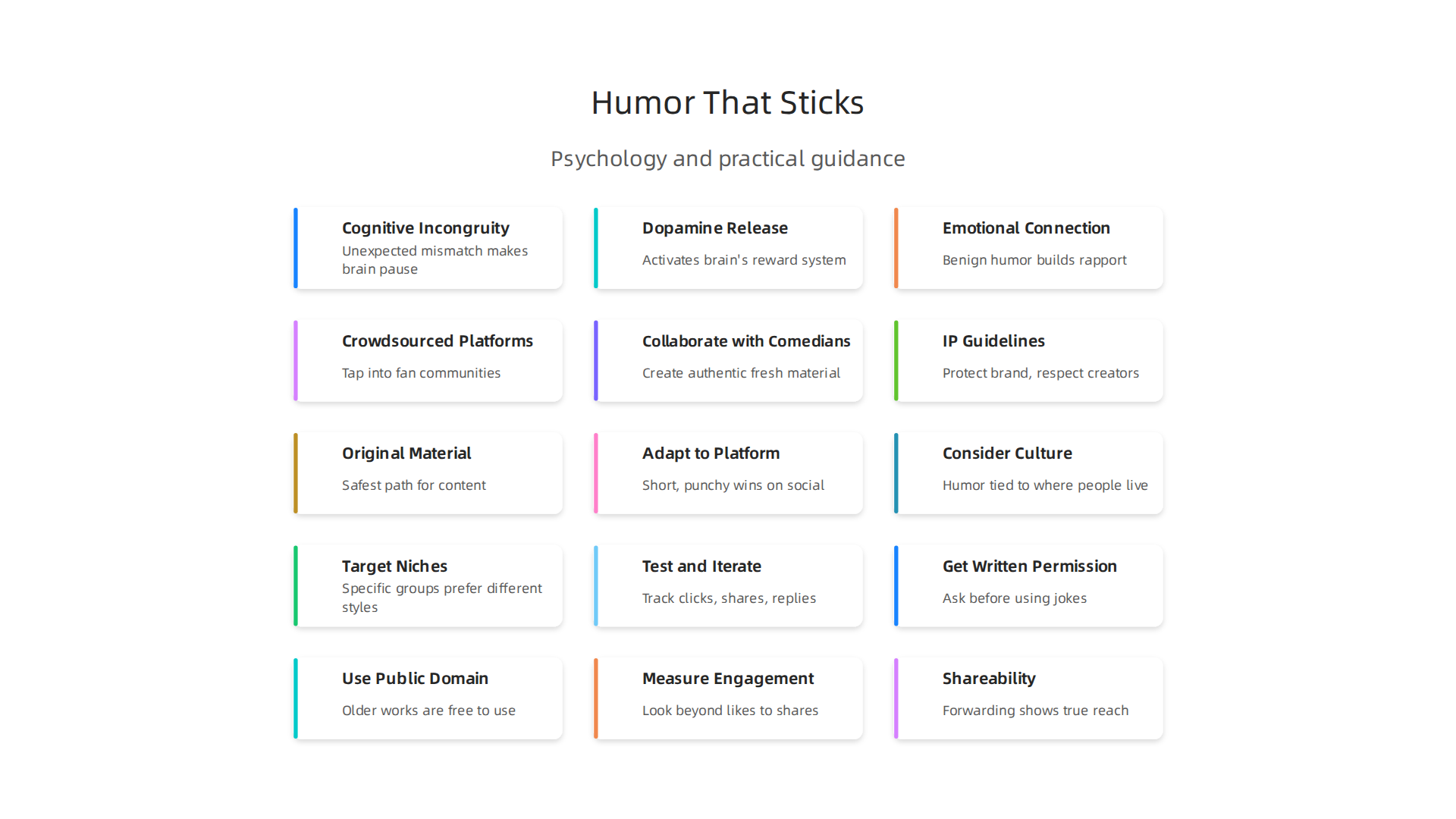
And according to research on the humor effect, your brain remembers funny information better than boring information. That is not a guess. It is a cognitive bias that works every time.
Think about the last time a chuck norris joke made you laugh. You probably remembered it for hours. That is because the surprise of the punchline made your brain pay attention. The same thing happens with a well-placed funny footnote in an article. Your reader stops scrolling. They smirk. And they keep reading.
But there is more going on inside the brain. When you encounter something funny, your brain releases dopamine. That is the same chemical that makes you feel good when you eat chocolate or hear good news. A study from Edutopia explains that humor activates the brain’s dopamine reward system. This makes the information feel more valuable to your reader. They are more likely to share it, remember it, and come back for more.
So how does this help you with content strategy? Simple. When you pair a serious point with a lighthearted cheesy pick up line, the serious point sticks better. The humor acts like glue. According to research published by the University of Miami, different approaches to humor have different impacts on people. Benign humor, the kind that makes people smile without offending anyone, works best for building emotional connection.
That is why adding a funny name or a playful reference to your content is not just about being entertaining. It is about making your brand unforgettable.
Want to see how Hollywood action stars use these same psychological tricks in their comedy? Read this breakdown of their techniques and learn how to apply them to your own writing.
The next time you write, ask yourself one question. Does this line create a surprise? If the answer is yes, you are on the right track. And if you want to go deeper, Read Articles that break down real case studies from brands using niche humor to grow their audience.
Sourcing Original, High-Quality Cheesy Pick Up Lines
So you are convinced cheesy pick up lines can boost your content. But where do you find lines that do not sound like everyone else’s? That is the real challenge.
Here is the problem. Most cheesy pick up lines you see online come from the same content mills. They are rehashed, tired, and your audience has already seen them a hundred times. That kills the surprise. And without surprise, the humor effect we talked about earlier does not work.
You need original material. And that means you need to be proactive.
One smart way is to tap into crowdsourced platforms. Think of places where comedy fans share their own creations.
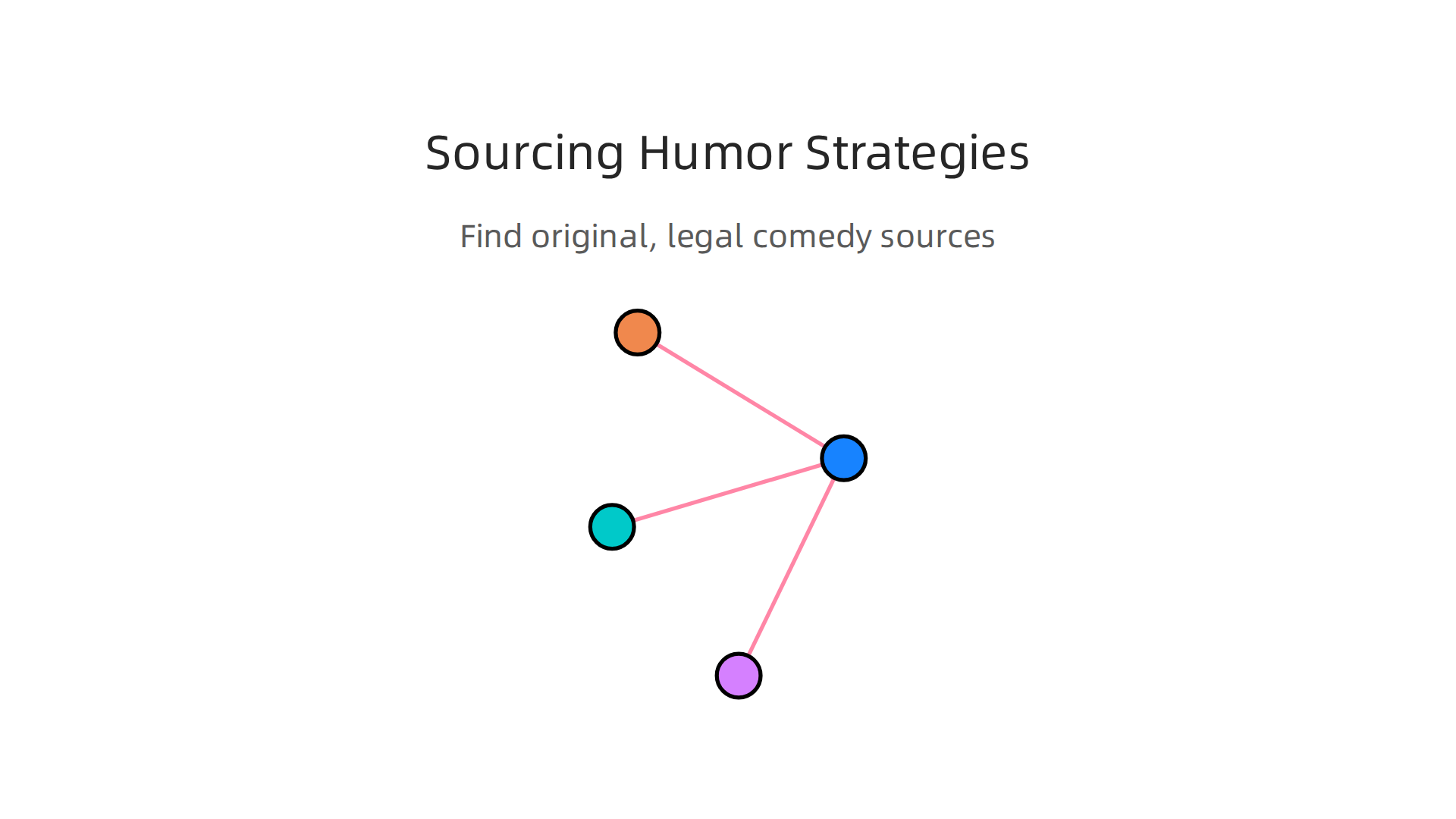
These communities are full of fresh, absurdist takes on classic formats. You can find lines that nobody has seen before. The key is to set up a system for collecting the best ones.
Another approach is to collaborate with actual comedians. A practical guide to collaborating with comedic influencers shows how brands can work with funny people to create original jokes that land with audiences. These partnerships produce material that feels authentic, not forced.
But there is a wrinkle. You have to protect your brand and respect the creators. That is why you need a clear submission pipeline with proper intellectual property guidelines. The FTC’s Endorsement Guides cover what you need to know about working with content creators legally. Always get permission and give credit.
If you want to see how professional comedy writers craft original lines that stick, check out how Hollywood action stars use comedy techniques in their scripts. The same principles apply to your cheesy pick up lines.
And if you are ready to start collecting unique, absurd humor for your brand, start reading the kind of witty material that sets you apart.
Curating Content for Different Audience Segments: One-Liners That Travel
So you have a growing collection of original cheesy pick up lines. That is great. But here is the thing. You cannot just blast the same line to everyone and expect it to land. Different groups of people find different things funny. A line that kills on a US Twitter feed might get crickets in a UK email. The trick is to curate your content for each segment without losing that absurdist charm.
Start with the platform. Each space has its own rules. On social media, short and punchy wins. A single one-liner works as a tweet or a gram caption. In an email subject line, you have a tiny window to grab attention. Maybe squeeze in a funny footnote or a playful setup. On a blog, you can give more context and let the absurdity breathe. The tone stays the same, but the delivery changes.
Then think about culture. Humor is deeply tied to where people live. In the US, self-deprecating lines often work well. UK audiences love dry, clever jokes. Australians enjoy blunt, cheeky banter. Canadians tend to appreciate polite, silly humor. The humor effect shows that relevant, well-matched jokes boost memory. So when you tailor your cheesy pick up lines to each cultural context, people actually remember them better.
Do not forget niches. Some audiences love funny names or classic chuck norris jokes. Others want surreal, offbeat humor. You can draw inspiration from how different comedic styles land with specific groups. For example, just as Anna Kendrick’s movies reveal comedy techniques that boost engagement, your lines should adapt to the taste of each segment. Niche humor builds a loyal following.
Finally, test and iterate. You cannot guess what works. Try a few lines on different segments. Track clicks, shares, and replies. See what gets genuine laughs. Research from Edutopia shows that humor triggers the brain’s dopamine reward system, which boosts learning and retention. So when a certain style of line gets a strong reaction, you know you have found a winner.
If you want more inspiration on crafting weird, witty lines that travel across audiences, start reading the kind of absurd humor that sticks with people.
Measuring Engagement and ROI of Humor-Centric Content
You have curated your cheesy pick up lines for every audience segment. Nice work. But now the real question hits you: Is any of this actually working? It is easy to look at likes and shares and call it a day. Those are vanity metrics. They feel good but tell you little about real results.
To measure the true impact of your humor, you need to go deeper. Look at shareability. How often do people forward your lines to a friend?

That is a strong signal. Next, check sentiment. Are the comments full of laughter emojis or eye-rolls? You want positive sentiment. Finally, track conversion lift. Did people click, sign up, or buy after seeing your content? That is the metric that matters most to your bottom line.
What about benchmarks? According to recent data from HubSpot’s 2026 marketing statistics, short-form video delivers the strongest ROI, but that does not mean written humor is dead. Cheesy pick up lines in email subject lines or social posts can still achieve impressive click-through rates. A well-targeted funny line often keeps people on the page longer. Research from Content Marketing Statistics 2026 shows that businesses tracking detailed engagement metrics see better returns than those relying on likes alone. So start measuring time-on-page and share rates for your humorous content versus your standard posts. The difference might surprise you.
To automate this, use social listening tools. Platforms like Brand24 or Mention can scan for mentions of your funny names, funny footnotes, or even classic chuck norris jokes across social channels. These tools analyze sentiment automatically, so you see in real time whether your lines land or flop. No more guessing.
For more on how specific comedy techniques boost audience engagement, check out how alien movie humor mechanics drive audience retention. It offers a fresh lens for measuring what sticks.
If you want to dig deeper into tracking humor content performance and see real case studies, Read Articles where we share tools, templates, and examples. Your cheesy pick up lines deserve proper measurement. Do not leave success to chance.
Navigating Copyright and Intellectual Property for User-Generated Humor
You just found the perfect cheesy pick up line in a tweet. You want to repost it for your brand. But can you legally do that? This is where things get messy. Many people grab humor online without thinking. But a simple joke can lead to a lawsuit. Let’s look at how to stay safe while still being funny.
Here is some good news. Short phrases, titles, and slogans are not protected by copyright. The U.S. Copyright Office makes this clear. A single line like "Are you a magician?" might not be copyrightable on its own.
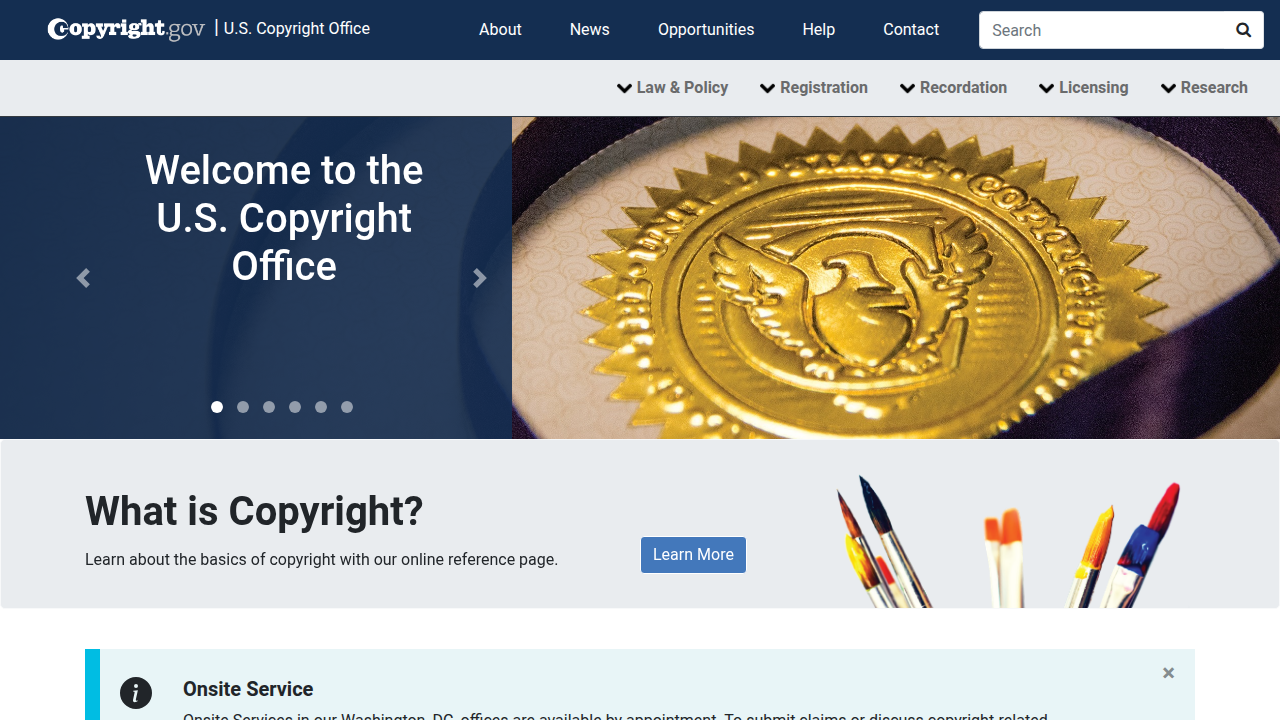
But there is a catch. If that line is part of a longer comedy script or book, the context is protected. Even classic chuck norris jokes can have legal owners if they are original enough. So you cannot just copy-paste any joke you see.
What happens when you change a joke? Is that fair use? It depends. The line between inspiration and theft is very thin. The IP Law Blog explains that catchphrases and comedy bits are often disputed. Real world examples prove this. The famous Instagram account FuckJerry got sued for reposting jokes without permission. This is why you have to be careful when using crowd-sourced funny names or funny footnotes in your campaigns.
So how do you protect yourself? Follow these simple steps:
- Create original content. This is the safest path. Learn how genre bending comedy films build unique humor strategies.
- Get written permission. If you find a great joke from a comedian, ask before you use it.
- Use public domain material. Works from 1929 and earlier entered the public domain in 2026. Old vaudeville jokes are free to use.
- Search for trends yourself. Use SEO tools to find what people are looking for. Then write fresh cheesy pick up lines based on that data.
Navigating IP does not have to be scary. You just need a clear process. Know what you can borrow and what you must build yourself. We break down these exact challenges for publishers and agencies.
Read Articles where we share more tips on building a smart, legal humor strategy.
Lessons from Brands That Mastered Cheesy Humor
Now that you know the legal boundaries, let’s look at brands that actually nailed cheesy humor. These case studies show how to add laughs without breaking the rules.
Case Study 1: The Cheesy Pick Up Line That Went Viral
A small media outlet called The Rumpus once ran a series of reader-submitted cheesy pick up lines. They paired each line with a funny illustration. The key? They got written permission from every contributor. This is a smart move. It avoids the kind of legal trouble that hit the FuckJerry account, which was sued for reposting jokes without credit, as the Harvard Journal of Law and Technology explains. The result was a loyal audience that felt seen and a steady stream of fresh, original content.
Common Pitfalls to Avoid
Even the best brands slip up. Here are the biggest traps:
- Overused jokes. Chuck norris jokes were everywhere ten years ago. Now they feel stale. Audiences want novelty, not reruns.
- Cultural missteps. A cheesy pick up line can be funny in one country and offensive in another. Always know your audience.
- Ignoring context. Using funny names or funny footnotes without respecting the original creator can lead to copyright issues, especially when those names are part of a longer protected work. The U.S. Copyright Office reminds us that short phrases alone are not copyrightable, but they can be part of a larger story that is.
Key Takeaways for a Consistent Comedic Voice
How do you build a tone that works every time?
- Invent your own material. Relying on crowd-sourced humor is risky. Instead, learn how genre bending comedy films stay fresh by blending styles.
- Test a small batch first. Run a few cheesy pick up lines on social media. See what sticks before you scale.
- Keep a voice guide. Write down your brand’s humor rules. This helps writers stay on tone without alienating readers.
The best humor feels both familiar and surprising. When you mix original funny footnotes with a clear legal strategy, you build trust and laughs. Want more examples of how publishers do this well?
Read Articles where we share real brand strategies that keep audiences coming back.
Tools and Platforms for Discovering Niche Humor Content
Coming up with fresh cheesy pick up lines or other niche humor on your own can feel impossible. Where do you even start? The good news is that in 2026, you have powerful tools to spot trends before they go mainstream.
Social Discovery Tools
The fastest way to find emerging humor is to hang out where the jokes are born. Reddit communities like r/pickuplines or r/Jokes are goldmines.

TikTok is even better, since its algorithm surfaces short, repeatable formats. Spend 15 minutes scrolling and you will see patterns form around specific funny names or funny footnotes. The key is to watch for high engagement, not just upvotes. The same approach works on niche forums for absurdist comedy.
AI-Assisted Curation Tools
You can now let software do the heavy lifting. AI tools scan thousands of posts daily to flag humor patterns that are gaining traction. According to the Hootsuite Social Media Trends 2026 report, AI content tools are reshaping how brands discover viral formats. These tools analyze comments, shares, and reaction types to predict what will resonate. For example, a sudden spike in Chuck Norris jokes on a platform can tell you a revival is happening.
Want to go deeper? Explore how John Travolta comedic roles reveal the formula for niche humor that works. The same principles apply to content discovery.
Building a Custom Aggregation System
For total control, build your own pipeline. Use RSS feeds from humor blogs, comedy newsletters, and trend sites. Add API feeds from Reddit or Twitter. Combine them in a tool like Feedly. This system delivers fresh material daily without the noise. You can filter by keywords like cheesy pick up lines or funny names to stay focused on your niche.
Another smart move is working directly with creators. A practical guide to collaborating with comedic influencers shows how brands tap into ready-made humor communities.
These tools and platforms turn trend hunting into a repeatable process. Once you find the material that works, you just need to adapt it with your own spin. For a deep dive into more strategies, check out the full collection of insights.
Read Articles where we share real brand techniques for keeping audiences laughing.
Future Trends in Niche Humor Content Marketing
The way brands use niche humor is changing fast. Here is what experts predict for the rest of 2026 and beyond.
The Rise of AI-Generated Humor
AI tools can now write jokes, generate funny captions, and even create short comedy scripts. According to HubSpot’s 2026 Marketing Statistics, short-form video is the top ROI-driving format. AI makes it easier to produce that content at scale. But there is a catch. Audiences can tell when humor feels robotic. Originality matters more than ever. If you use AI to generate cheesy pick up lines, you still need a human touch to keep them fresh and authentic. The same goes for funny names and funny footnotes that pop up in branded content. For a great example of absurdist humor that keeps its human edge, Start Reading the Ridiculous series, where original wit drives every punchline.
Demand for Culturally Specific Humor
Global English audiences are tired of generic jokes. They want humor that feels local, specific, and sometimes absurd. This is great news for niche creators. A well-placed Chuck Norris joke can go viral in one market while falling flat in another. Understanding these cultural layers is key. The Content Marketing Institute’s B2B research shows that 52% of marketers report improved efficiency with targeted content strategies. That means investing in culturally aware humor pays off.
Platform Algorithms Love Micro-Content
Social platforms in 2026 reward short, shareable, and funny posts. Algorithms now prioritize content that gets quick reactions and high completion rates. This plays directly into the strength of niche humor. A single clever punchline or a short video with a funny spin on cheesy pick up lines can outperform a polished long-form article. Genesys Growth reports that video content delivers returns 49% faster than other formats. That speed is exactly what niche humor needs to thrive.
Want to see how these trends play out in real campaigns? Learn more about genre-bending comedy films that transform your content strategy and how you can apply the same principles.
Read Articles where we break down what top brands are doing right now to keep audiences laughing.
Summary
This article explains how ‘cheesy pick up lines’ can be a strategic, low‑risk form of niche humor for modern B2B content marketing. It covers the psychology that makes brief, surprising jokes memorable, practical tactics for sourcing original lines (crowdsourcing, comedians, AI), and how to adapt one‑liners across platforms and cultural segments. The guide also shows how to measure real impact—shareability, sentiment, time‑on‑page and conversion lift—rather than relying on vanity metrics. It outlines a simple legal framework for using user‑generated material and gives examples of brands that succeeded without copying tired jokes. Finally, it recommends tools and future trends, including AI and micro‑content formats, so you can test, scale, and protect a humor strategy that feels human and drives results.